
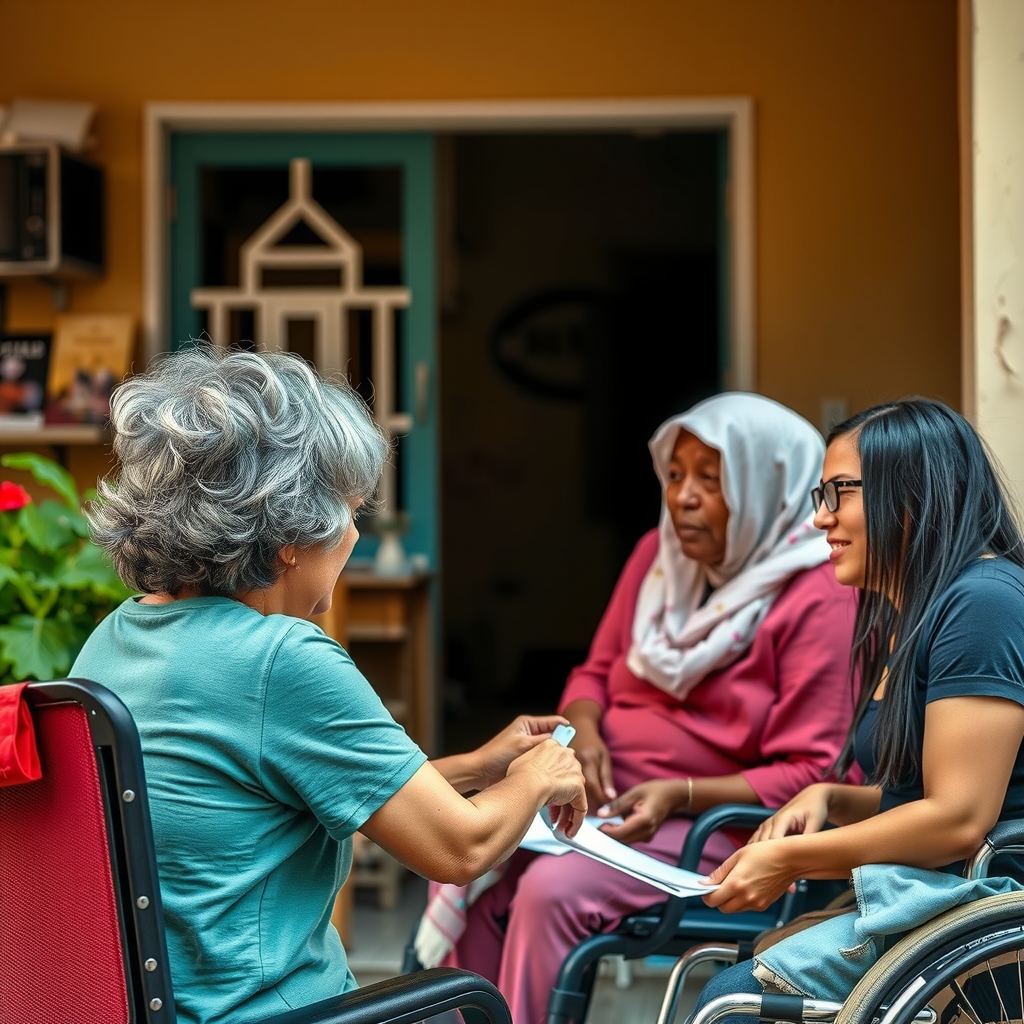
Maximising Your NDIS SIL Plan: Choosing the Right Provider
Living Your Way: My Insights on Supported Independent Living (SIL) with the NDIS
As an NDIS support worker and provider for eight years, I’ve seen firsthand how much a difference the right support can make. Many people I work with dream of living independently, and that’s a wonderful goal. But true independence doesn’t mean you have to do everything by yourself. It’s about having the right support, the right environment, and the right guidance to build your skills, confidence, and control over your daily life. This is precisely where Supported Independent Living (SIL) under the NDIS steps in.
What Supported Independent Living (SIL) Really Means
Supported Independent Living, or SIL, is a type of NDIS funding that helps people with disability live as independently as possible. Usually, this happens in a shared living arrangement, where participants receive assistance with daily tasks. From my perspective, SIL is all about fostering independence, not creating reliance. It’s about empowering you to take charge of your life within a supportive home environment.
SIL funding covers a range of practical, day-to-day supports. This can include:
- Help with personal care like showering and dressing, always with dignity and respect.
- Assistance with preparing meals, learning to cook, and managing household chores.
- Support in creating and sticking to daily routines, which can bring a lot of stability.
- Safe and correct medication management.
- Overnight or 24/7 support if your needs require it, ensuring your safety and comfort.
- Developing essential life skills that build confidence for independent living.
Ultimately, the goal of SIL is to help participants live fulfilling lives, safely and with a high quality of life, always striving for the greatest possible independence.
Choosing the Right SIL Provider
From my experience, selecting a SIL provider is one of the most significant decisions a participant and their family will make. It’s not just about finding someone who provides support; it’s about finding a team you can trust, who offer consistent care, and who genuinely respect your choices and preferences. Good SIL providers understand that they’re entering your home and becoming part of your daily life.
I always advise participants and their families to look for providers who work closely with everyone involved – that includes you, your family, your support coordinator, and any allied health professionals. The best support adapts and grows with you as your skills develop and your needs change over time. It’s about looking towards long-term independence, not just immediate assistance.
A Truly Person-Centred Approach
In my years in the sector, I’ve learned that a truly person-centred approach is non-negotiable for SIL. Every single participant is unique, and independence looks different for everyone. What’s important for one person might be less so for another, and that’s perfectly okay.
When I work with participants, we take the time to really understand:
- Your personal goals and aspirations – what do you *really* want to achieve?
- Your strengths and abilities, as well as the specific areas where you need support.
- Your cultural background and lifestyle preferences, ensuring support fits seamlessly into your life.
- Your existing daily routines and how you prefer your living arrangements to be structured.
Support plans should always be tailored to you and reviewed regularly. This ensures they stay relevant and effective. You should be actively involved in all decision-making. This involvement builds confidence and gives you genuine control over your own life.
Building Daily Living Skills and Confidence
A core focus of NDIS SIL is to help you build those practical skills needed for independent living. I’ve found that the best support workers encourage learning through everyday experiences, making skill-building a natural part of life, not a chore.
This kind of practical support often includes:
- Learning to cook your favourite meals and plan weekly groceries.
- Cleaning and maintaining your home, so it feels comfortable and organised.
- Establishing clear and comfortable daily routines.
- Personal organisation and time management skills, like keeping appointments.
- Basic budgeting and money management to feel secure with your finances.
My approach has always been to support you to learn and participate, rather than doing tasks for you. We move at a pace that feels comfortable and achievable, celebrating every small victory. This builds genuine confidence and a strong sense of independence.
Personal Care with Dignity and Respect
Personal care is a very intimate part of Supported Independent Living. It’s absolutely vital that this support is always delivered with sensitivity, dignity, and the utmost respect. Experienced support workers are trained to assist you while always encouraging as much independence as possible.
We respect your personal boundaries, preferences, and established routines. The aim is for you to always feel safe, comfortable, and in control of your personal care. Building trust is absolutely central to being a good SIL provider. Taking the time to form positive, respectful relationships makes all the difference.
Creating a Safe and Supportive Home Environment
A supportive home environment is fundamental to living independently. When I help participants find or settle into a SIL home, we ensure it’s safe, welcoming, and designed to support their wellbeing. It should feel like your home.
Good support also helps participants to:
- Share household responsibilities fairly and amicably with housemates.
- Maintain both personal and shared living spaces.
- Understand important safety measures and risk management in the home.
- Develop a strong sense of ownership and belonging in their living space.
My ultimate goal is to help create a home that feels stable and empowering – a place where you can truly thrive, not a clinical or restrictive environment.
Social Connection and Community Participation
Independence stretches beyond just managing daily tasks. Feeling connected to your community and having meaningful relationships is crucial for emotional wellbeing and a full life.
A dedicated SIL provider will support participants to:
- Engage in social and recreational activities that interest them.
- Build friendships and foster peer relationships.
- Access opportunities for education, training, or employment.
- Develop valuable communication and social skills.
Active community participation helps build confidence, gives a sense of purpose, and strengthens your identity – which are all key parts of true independence.
Choice, Control, and Self-Advocacy
The NDIS itself is built on the principles of choice and control. In my work with SIL, I ensure that all support is designed to empower participants to make decisions about their own lives. It’s your life, your choices.
We support participants to:
- Clearly express their preferences and make informed choices about their daily life.
- Actively develop strong decision-making skills.
- Build confidence in speaking up for themselves and practicing self-advocacy.
- Take increasing responsibility as their independence naturally grows.
This approach ensures you feel respected, heard, and confident in shaping your own future.
Skilled and Compassionate Support Workers
The quality of Supported Independent Living truly hinges on the people providing the support. I always say that a great support worker isn’t just skilled; they’re also deeply compassionate and genuinely committed to your wellbeing.
A good team focuses on:
- Providing consistent and reliable support you can count on.
- Always encouraging independence, never fostering dependence.
- Building strong trust and positive, respectful relationships.
- Supporting participants through challenges with immense patience and care.
From my experience, strong, positive relationships between participants and their support team form the very foundation for growth and lasting independence.
Supporting Families and Support Networks
I deeply recognise the incredibly important role families and carers play in a participant’s life. Good SIL providers work collaboratively with families, ensuring clear communication and providing peace of mind.
Families should feel confident knowing their loved one is supported by a reliable NDIS SIL provider that consistently prioritises safety, dignity, and their long-term independence.
Helping Participants Thrive Through Supported Independent Living
For me, Supported Independent Living is about much more than just meeting daily needs. It’s about creating an environment where participants can truly grow, gain confidence, and live rich, fulfilling lives on their own terms.
With the right SIL support, I’ve seen participants:
- Build incredible independence and resilience.
- Develop life skills and confidence that open up new possibilities.
- Achieve personal goals they once thought were out of reach.
- Live with a deep sense of purpose and dignity.
What to Look For in a SIL Provider
When participants and families are choosing a SIL provider, I suggest looking for these key commitments:
- An experienced NDIS SIL provider with a strong track record.
- Services built around a truly person-centred approach.
- A team of skilled and compassionate support workers.
- A clear focus on independence, dignity, and participant choice.
- A willingness to collaborate closely with families and other professionals.
Building Independent Futures
Supported Independent Living is a journey, and every journey is unique. With the right support, guidance, and encouragement, people with disability absolutely can live confidently and independently. It’s a privilege to support participants at every stage, helping them build independence, confidence, and a future filled with opportunity.
If you’re exploring your options for Supported Independent Living, I encourage you to look at local NDIS providers and find one that truly aligns with your goals and values.
